Delve Into the Domain of Fair Trade Tea: Remarkable Brews That Back Sustainable Practices
Fair Trade tea embodies a harmonious union of excellence and moral values. Each cup offers a distinctive taste experience while promoting sustainable farming practices. This methodology not only improves the tea experience but also uplifts marginalized farmers. Understanding its roots and certification processes reveals deeper layers of significance. As consumers become more conscious of their choices, the impact of Fair Trade tea goes beyond flavor. What exists beneath the exterior of these choices?
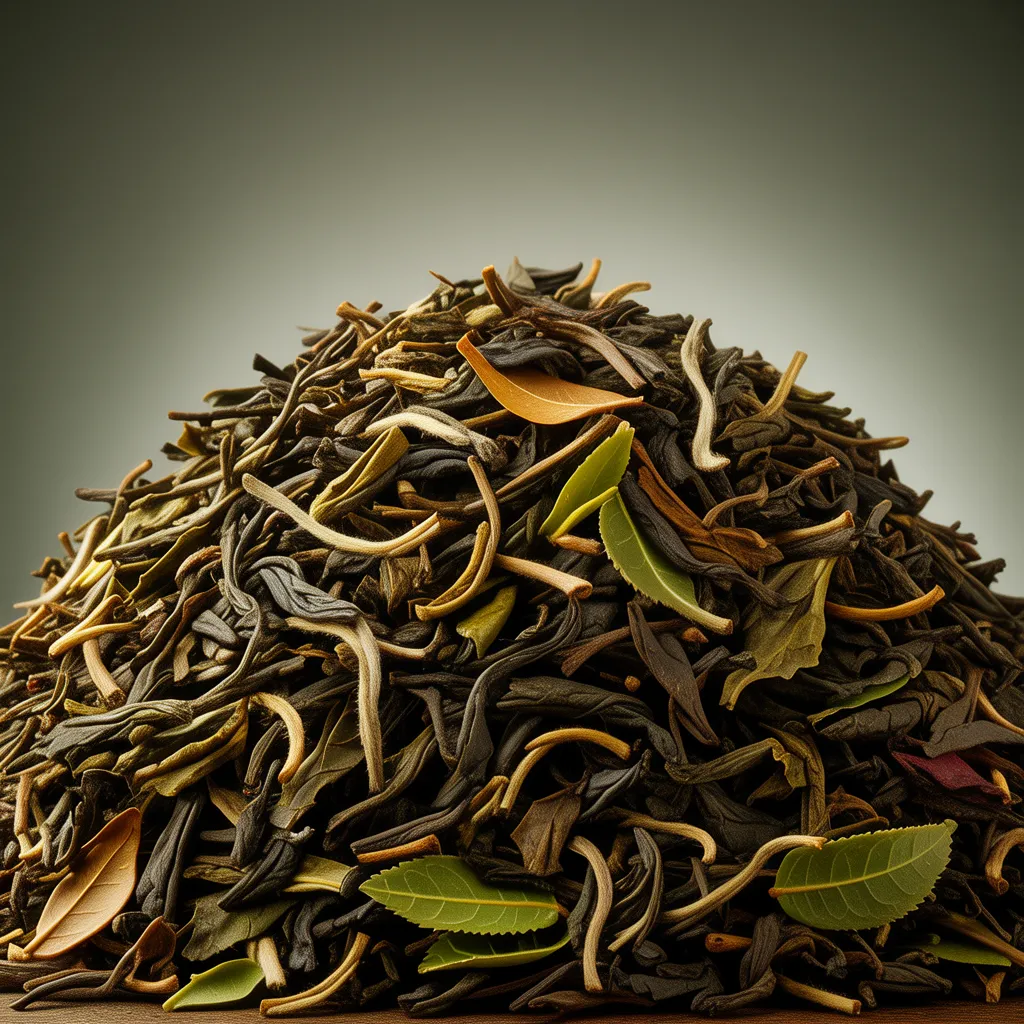
Find Out the Sources of Fair Trade Tea
Fair Trade tea is grounded in the socioeconomic movements intended to strengthen the wellbeing of marginalized farmers. Surfacing in the waning years of the 1900s, this initiative sought to correct imbalances in worldwide trade, particularly in developing countries where tea is frequently harvested. The endeavor gained traction as consumers became progressively mindful of the harsh truths confronted by small-scale farmers, involving unfair pricing and exploitation by large corporations.
Using collaborative frameworks, Fair Trade intended to empower these farmers, ensuring they received fair compensation and assistance for environmentally responsible agriculture. The movement also concentrated on promoting ecological stewardship, encouraging organic farming and biodiversity. As knowledge increased, Fair Trade tea became a symbol of ethical consumption, connecting consumers directly with the origins of their beverages. By choosing Fair Trade tea, individuals add to a larger vision of social justice and economic equity, fostering a more sustainable future for tea-growing communities.
Comprehend Fair Trade Certification for sustainable operations
Grasping Fair Trade certification is critical to recognizing how sustainable practices are sustained within the tea industry. This certification promises that producers receive fair wages and work under safe conditions, which directly aids community development. Fair Trade standards support environmentally sustainable farming methods, reducing the use of harmful chemicals and encouraging biodiversity.
Certification fosters transparency in the supply chain, permitting customers to trace their tea back to its source. By following these standards, farms engage in practices that safeguard natural resources and sustain local ecosystems. Additionally, Fair Trade organizations often deliver learning materials and training to farmers, equipping them to enhance their farming techniques and economic stability.
In the end, Fair Trade certification improves the quality of tea while also aligning consumer choices with ethical and sustainable values, rendering it a essential component of the tea sector's pledge to community responsibility and environmental protection.
Discover Leading Selection of Fair Trade Tea
While many tea aficionados relish the rich flavors and aromas of multiple tea options, examining the top selections of Fair Trade tea shows a deeper pledge to ethical sourcing and sustainability. Some favored options include Fair Trade Assam, recognized for its bold, malty taste, and Fair Trade Darjeeling, often known as the "Champagne of teas" for its delicate floral notes. Another important variety is Fair Trade Earl Grey, combined with bergamot, presenting a distinctive orange essence.
Moreover, Fair Trade Green Tea, lauded for its invigorating qualities and health benefits, is increasingly favored among health-conscious consumers. Herbal blends, such as Fair Trade Chamomile and Peppermint, also distinguish themselves, supplying soothing and calming effects. Each of these varieties not only delivers exceptional flavor but also assists farmers and communities working for better livelihoods, making them a responsible choice for tea lovers seeking quality and ethical assurance.
Brewing Fair Trade Tea: Pointers for a Exceptional Cup
To brew the best cup of Fair Trade tea, precision is crucial, as the correct techniques can boost the tea's individual flavors and scents. First, the water quality is paramount; using purified water delivers a find details about clean taste that allows the tea's features to stand out. The water temperature is also critical; various kinds of tea require specific temperatures; black tea needs boiling water and green and herbal teas are brewed cooler.
Subsequently, the brewing duration must be carefully followed. Excessive steeping can lead to bitterness, while insufficient steeping may not extract the full flavor profile. A general guideline is 3-5 minutes for black tea and 2-3 minutes for green tea.
In conclusion, achieving the ideal tea-to-water ratio enhances the taste profile; one teaspoon of loose tea per cup is a fine reference point. By heeding these pieces of advice, tea devotees can truly enjoy the rich offerings of Fair Trade tea.
Environmental Benefits of Ethically Sourced Tea
Brewing Fair Trade tea not only elevates the tea experience but also backs eco-friendly farming methods that benefit the environment. Fair Trade accreditation encourages farmers to use organic farming methods, which decrease the reliance on harmful pesticides and fertilizers. This approach promotes biodiversity, aiding in the protection of local ecosystems and protect animal sanctuaries.
Furthermore, Fair Trade methods often highlight soil health and water preservation, ensuring that tea cultivation does not drain essential resources. By assisting small-scale farmers, Fair Trade also fosters agroforestry, which merges tea cultivation with other crops and trees, further boosting environmental resilience.
Furthermore, Fair Trade tea often incorporates environmentally friendly wrapping and delivery systems, reducing the greenhouse gas emissions connected to its distribution. Ultimately, selecting Fair Trade tea represents a deliberate commitment to advance a increasingly eco-friendly farming approach that respects both the Earth and its inhabitants.

How Your Selection of Tea Empowers Global Communities
Embracing Fair Trade tea benefits societies worldwide by granting producers with reasonable pay and enhanced working conditions. This obligation assures that tea makers can sustain their livelihoods while investing in their families and local economies. By acquiring Fair Trade tea, patrons enable the creation of necessary local services, including education and medical care.
Fair Trade accreditation promotes ethical practices, demanding companies to adhere to guidelines that emphasize workers' rights and ecological responsibility. As a result, farmers are motivated to cultivate high-quality tea, which not just improves their income but also creates satisfaction in their work.
Moreover, the unmediated trade associations set up through Fair Trade abolish exploitative middlemen, allowing farmers to link with consumers worldwide. This visibility cultivates trust and motivates a global appreciation for the cultural significance of tea. Ultimately, each cup of Fair Trade tea represents a reminder of the positive impact individuals can have on global communities through mindful consumption.
Commonly Asked Questions
What Methods Can Help Me Find Fair Trade Tea Products When Purchasing?
To locate fair trade tea products in stores, one should identify verified badges, such as Fair Trade Certified or Rainforest Alliance. Additionally, exploring brands focused on fair practices can enable making informed choices.
Do Fair Trade Tea Items Offer Any Nutritional Advantages?
Fair trade tea can deliver numerous health advantages, including antioxidants that enhance cardiovascular health, enhanced digestive wellness, and improved mental focus. Moreover, responsible sourcing practices encourage sustainable agricultural practices, helping create a greener world and enhanced community well-being.
How Can I Source Ethically Sourced Tea in Online Marketplaces?
Yes, fair trade tea is easy to find in digital platforms. Numerous retailers stock a variety of brands and blends, making certain consumers can quickly locate responsible alternatives that advance both sustainability and equitable compensation.
What Influence Does Fair Trade Tea Play in Local Economic Growth?
Fair trade tea beneficially affects local economies by providing farmers with fair wages, supporting community growth, and promoting environmentally responsible agriculture. This assistance improves living standards, promotes economic stability, and empowers communities to allocate resources toward education and healthcare.
What's the Finest Way to Keep Fair Trade Tea for Maximum Freshness?
To maximize quality, fair trade tea should be stored in an airtight container, protected from strong odors, moisture, and light. Storing it in a dark, cool location helps protect its scent and taste over time.